
Tacora Mine Gallery Floor Replacement
Location: Wabush, Newfoundland and Labrador
Client: Tacora Resources Inc.
Timeframe: 2025-2026
Key Personnel: Riccardo Ciccarelli, Sarah Foster Hardy, Adam Casey, Kate Cunningham
Project Description
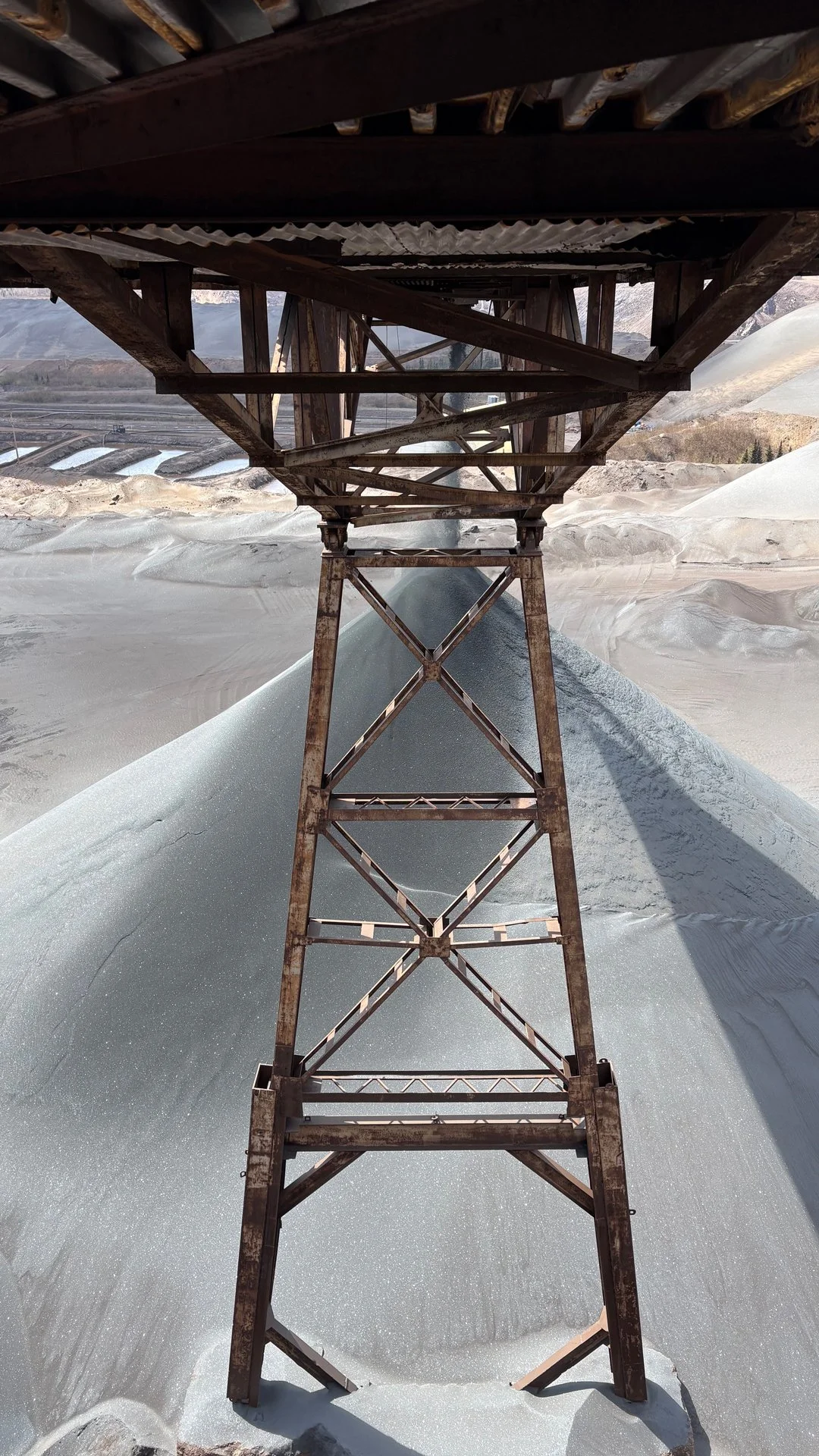
Tacora Resources Inc. (TACORA) is an iron ore mining and development company focused on the acquisition and revitalization of iron ore products. The Scully Mine is located in Wabush, Labrador, Newfoundland and originally started operations in 1965. Closed in 2014, efforts have been made to restart and revitalize the mine since 2019. As the Wabush mine currently produces 10,000-15,000 tonnes of iron ore per day, its continuous operations are an important link in Canadian steel manufacturing and mineral exports.
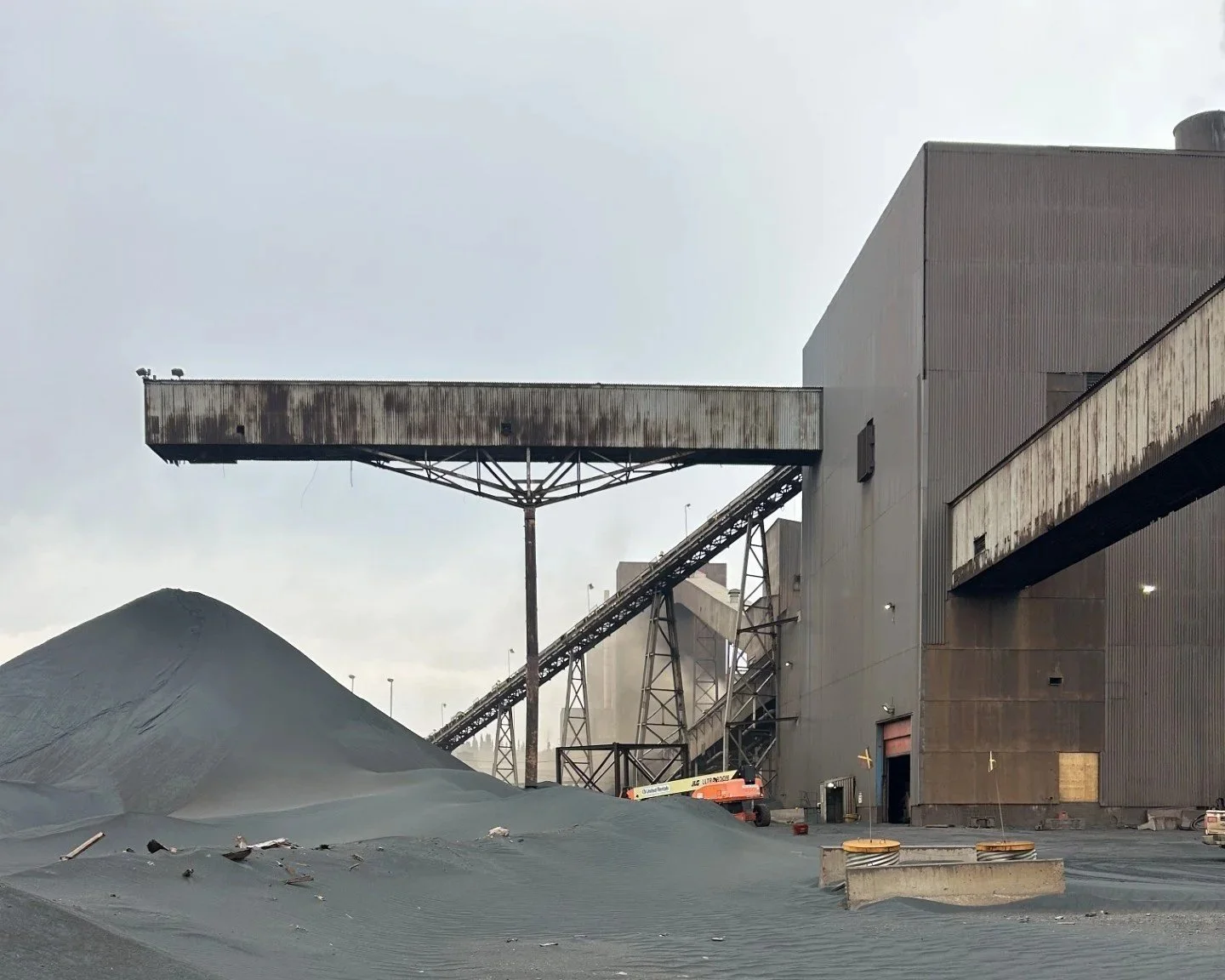
During an inspection, it was discovered that the floor system of the R1 conveyor gallery was unsafe for work. The conveyor in question is responsible for moving processed iron ore from within the facility to an external stockpile outside, ready for shipping. Replacement of the floor would ensure that maintenance personnel are able to access the conveyor in safety, should the need arise. The Newfoundland government required that Tacora replace the floor in order to comply with safety regulations, while Tacora needed the conveyor to remain operational as much as possible to ensure steady output of iron ore.
Harbourside’s Role
Harbourside Industrial Group was hired by Tacora Resources to replace the R1 Conveyor gallery floor system with one designed by BBA engineering. Harbourside’s structural division was responsible for all construction engineering related to the demolition of the existing gallery, and the erection of the new floor system. Harbourside would also oversee all project management and developed the phasing necessary for the install.
The project was broken down into multiple phases, with each task performed collaboratively by the various Harbourside divisions involved. Harbourside handled all procurement and logistics of materials, rigging, consumables, and specialized equipment to support remote work in Wabush.
SCOPE OF WORK
Phase 1. A joint site visit was conducted by Harbourside’s Industrial, Structural, and Project management teams. This was to assess the existing conditions, take measurements, and develop an appreciation for site constraints. During this phase it was discovered that various bracing members for the R1 Gallery supporting bent required replacement and reinforcement along the bent’s legs.
Phase 2. Design and field work associated with the R1 bent repairs began at this stage. This included the structural analysis of the existing bent and the design of temporary tension bracing elements. The work was phased so that Harbourside Industrial could remove sections of existing bracing at one time and replace in kind. In all, work covered in this phase included: replacement of existing bent cross bracing elements.
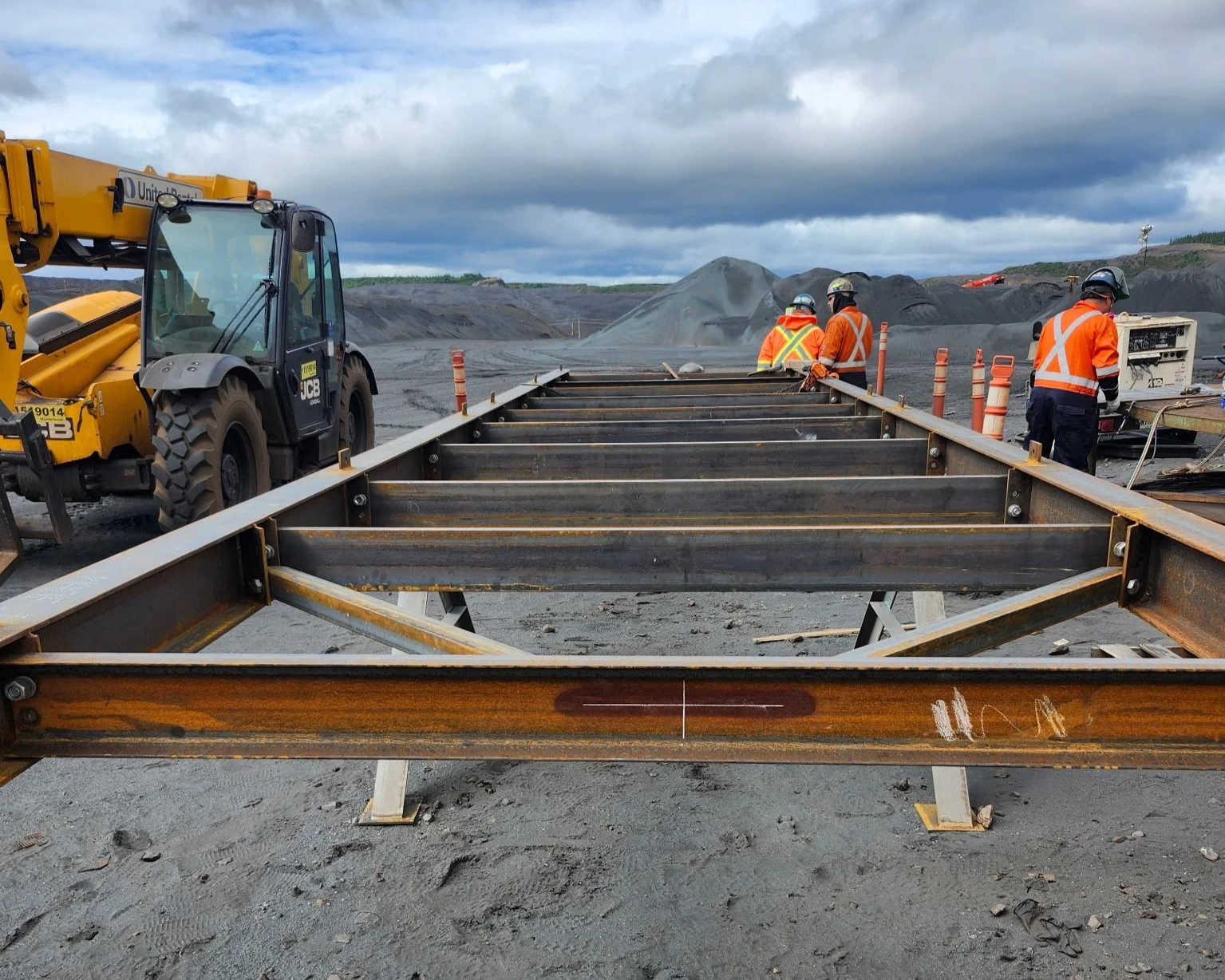
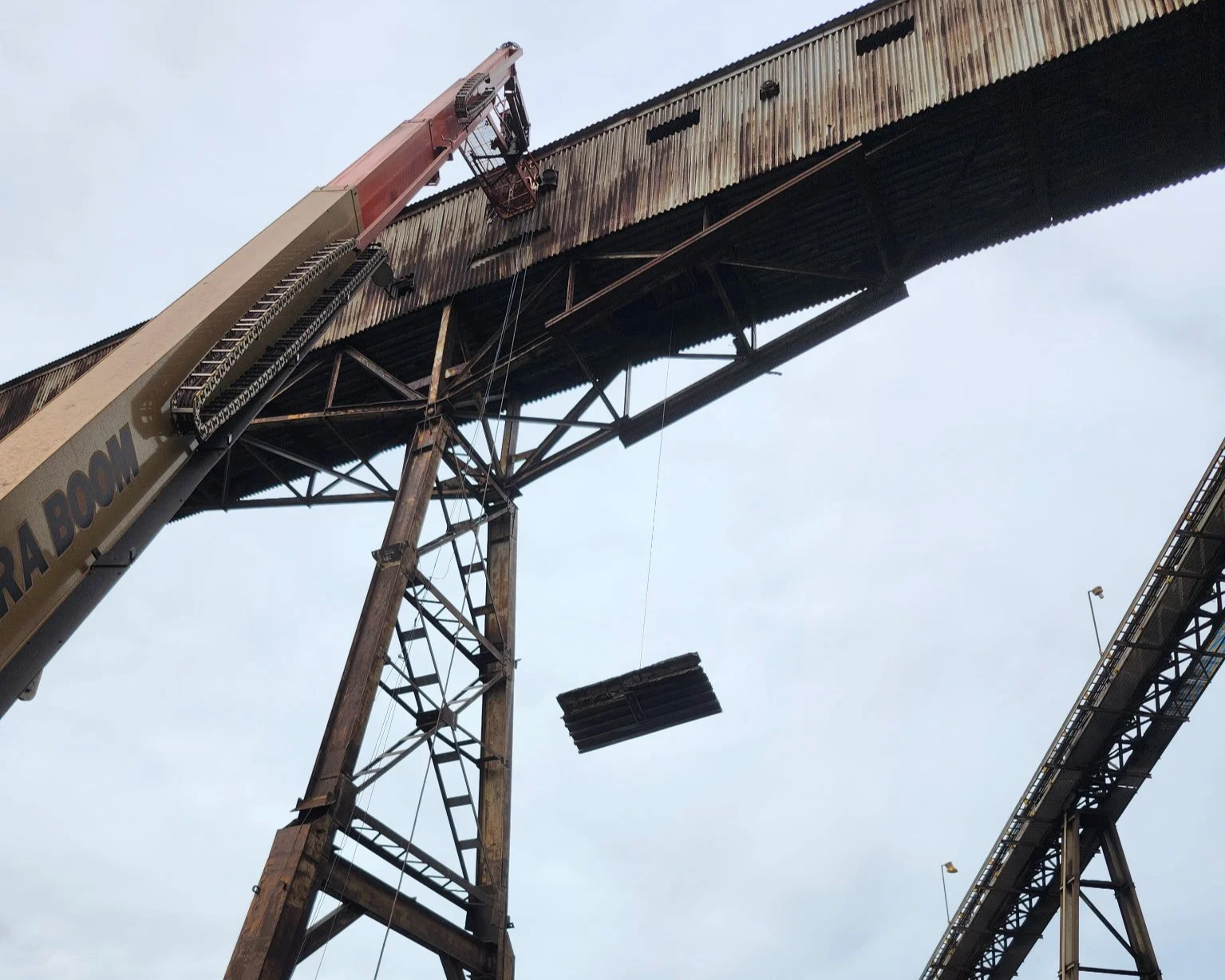
Phase 3. Design work to replace the existing floor system could finally begin. Due to the tight space conditions within the gallery (barely 10 feet wide), and the significant deterioration of the existing floor, a movable gantry was designed to fit inside the gallery that could roll on casters supported by existing floor beams. The gantry was designed to be able to cut out and lower existing concrete deck segments to the ground using a hoist supported by the movable gantry. New steel deck floor panels were then hoisted up to the gallery and transported into place. The gantry was first fabricated, and trial fitted on the ground, before being disassembled and re-built within the gallery.
Six Red Seal Ironworkers from Harbourside’s Industrial division formed a rotating crew, supported by the structural team, and Harbourside’s project managers. This full staffing provided continuous communications and flexible support to the client, even in the face of on-site changes, OHS requirements, and severe weather. As a result, there were zero lost-time incidents, and Harbourside was able to complete repairs with minimal downtime of the conveyor gallery.
Unique Challenges
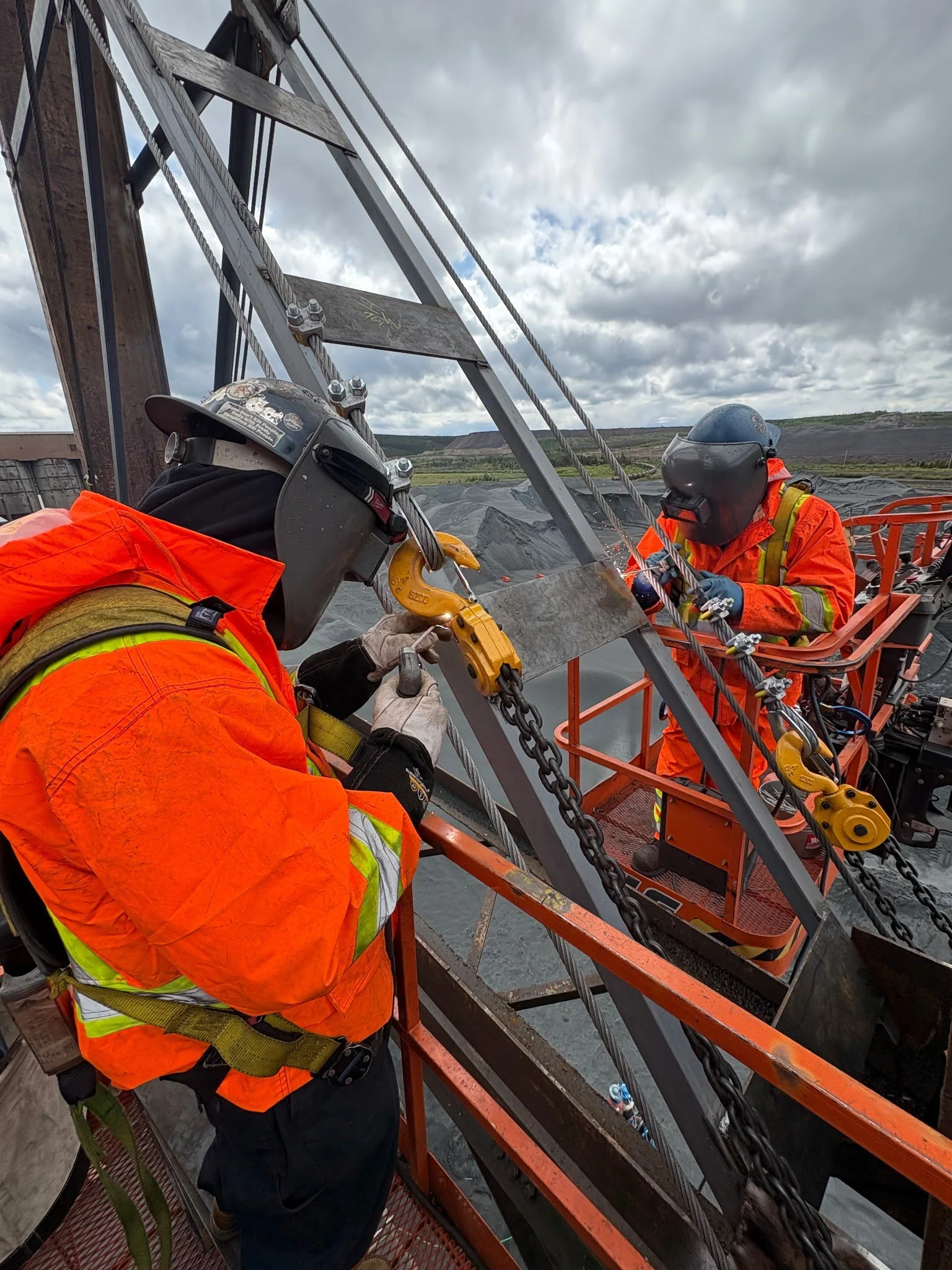
In addition to the challenges created by the spatial constraints (the gallery being barely 10 feet wide), the new deck system was fundamentally different from the original. In the original condition, the floor system acted as a lateral diaphragm to support the truss and the wind loads imparted on the structure. The new floor system consisted of individual steel channels supporting a steel floor and did not support the structure laterally in the same way as the original design. An analysis was completed on the gallery main trusses to evaluate the effect of wind loads on the truss elements. Local bracing elements were replaced as a result of this analysis. In order to provide an opening large enough to permit the lowering and lifting of the old and new deck panels, lateral bracing had to be removed. This left the trusses in a vulnerable state for wind loads. In order to address this safety concern, Harbourside designed a temporary external wind bracing system to transmit the lateral loads and bypass the unbraced bay.
Timing and onsite conditions also posed a challenge. Work had to be completed within set times using aerial platforms so as not to impact iron ore production. With the constant operation of the conveyor, dust from the iron ore was also a safety concern, leading to stringent OHS policies. This worked in tandem with the lead-paint abatement procedures that had to be implemented due to the age of the structure.
Social Impact
The continuous operations of the Tacora mine is essential for the revitalization of the city of Wabush, NL. That these operations continue in safety is essential for the wellbeing of the mine’s workers. Harbourside tackled a complex structural challenge in an active mining operation to fulfill the requirements set by the government of Newfoundland. This will ensure that Tacora can continue to supply iron ore to steel manufacturers throughout Canada, and beyond. As the mine continues to prosper, so too will the local community.
In addition, the innovative gantry designed for this project is potentially reusable at other Tacora sites (with some slight adjustments), meaning the techniques developed during this project can be reused for other Tacora galleries, saving both time and money for the client in the future.